



IP65 vs IP55 vs IP44: Which Waterproof Rating Do Outdoor Lights Need in the UAE?
September 17, 2026
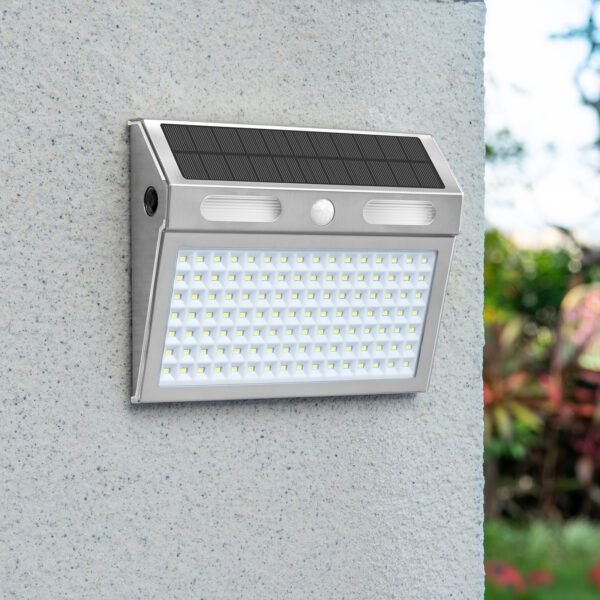
Short answer: Yes. Solar lights work very well in the UAE. With around 9–10 hours of sunshine a day on average, a good solar light charges fully almost every day of the year. The real challenges in summer are heat, which ages batteries, and dust, which blocks the solar panel. Neither is a problem if you choose the right light and give the panel a quick wipe now and then.
Why the UAE is ideal for solar garden lights
Abu Dhabi and Dubai receive roughly 3,400–3,500 hours of sunshine a year, which is among the highest in the world. A typical solar garden light needs about 5–6 hours of direct sun to charge its battery fully. In the UAE that happens even in December and January. In most of Europe it only happens on the best summer days.
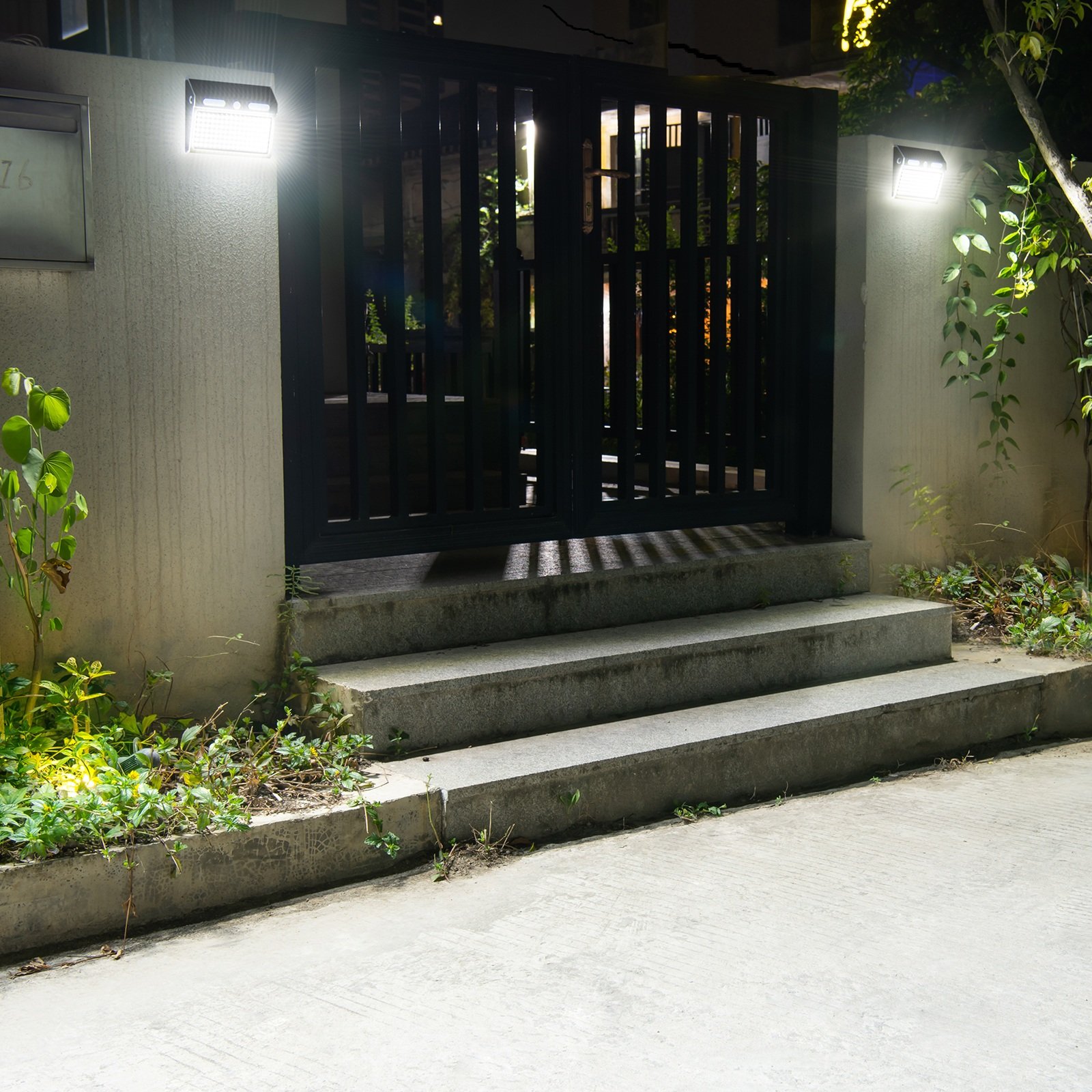
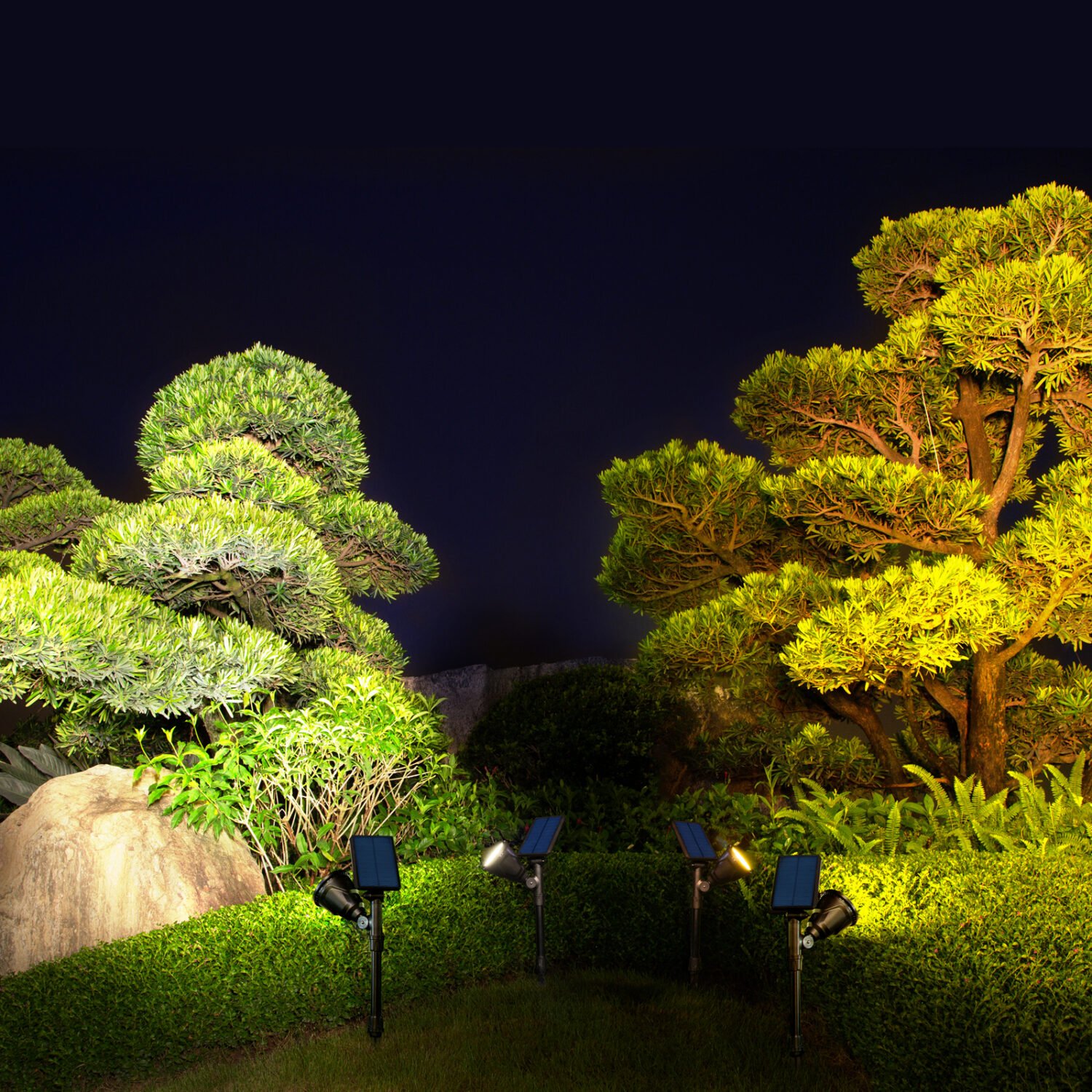
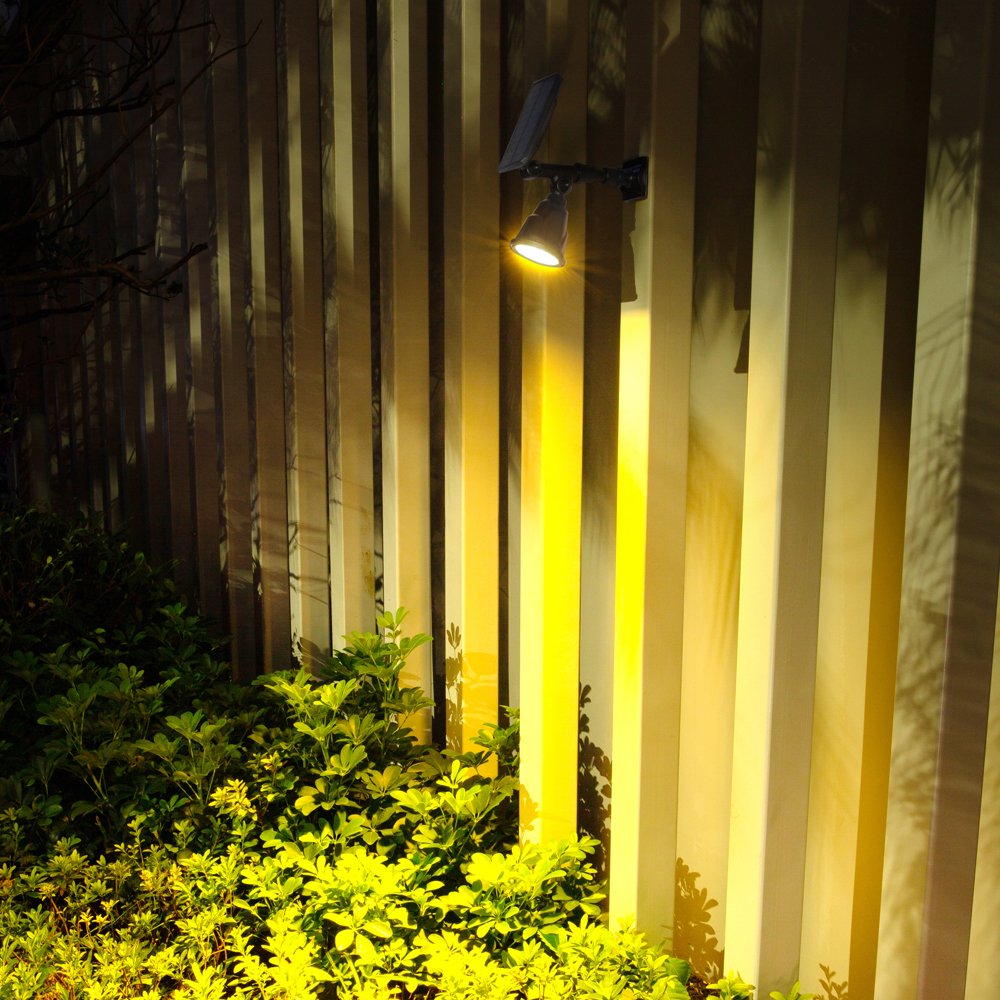
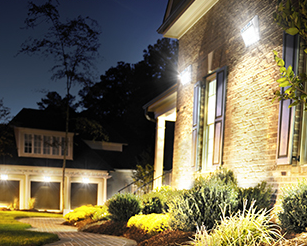
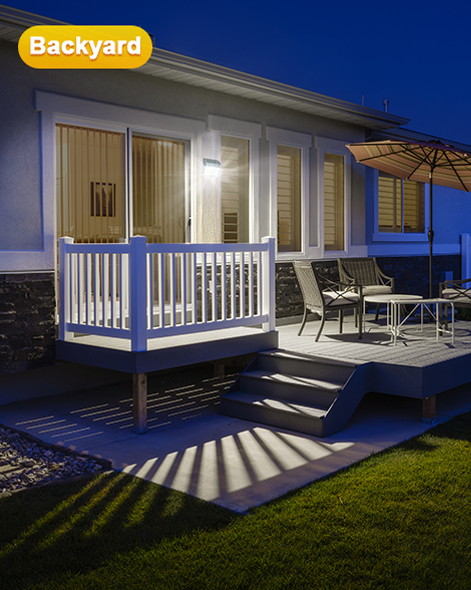
That is why solar is often the easiest way to light a villa garden, boundary wall or balcony here. There is no trenching, no cables and no electrician, and nothing is added to your DEWA, ADDC, SEWA or FEWA bill.
What the summer heat actually does
From June to September, air temperatures regularly pass 45°C. Surfaces in direct sun, such as a dark wall or a metal gate, get much hotter than that. LEDs cope well with heat. The component that suffers is the battery.
- Battery chemistry matters. Cheap solar lights often use Ni-MH AA cells, which lose capacity quickly in extreme heat. Better lights use 18650 lithium-ion cells, and all Lalogo solar lights do. These cells have much higher capacity (1200–2200mAh in our range) and a longer service life.
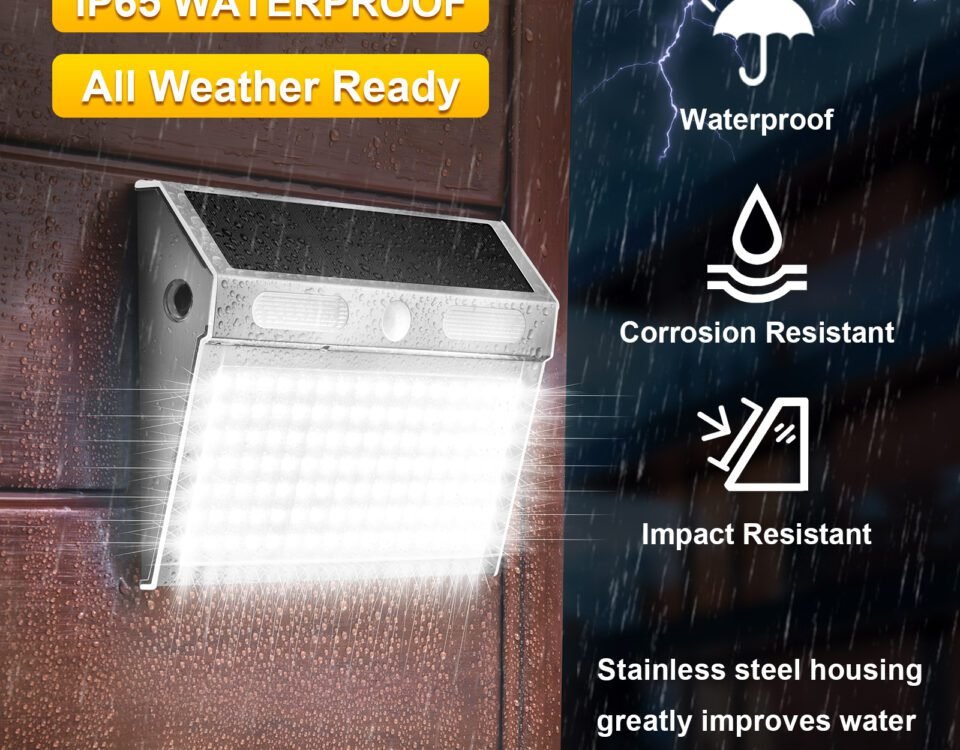
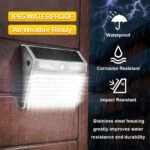
- Sealed housings help. A properly sealed light (IP55–IP65) keeps dust and humidity away from the battery and circuit board.
- Placement helps. Where you can, mount wall lights under an eave or on a wall that gets afternoon shade, while keeping the solar panel in the sun.
Dust and sand: the most common cause of dim lights
A layer of fine dust on the solar panel reduces how much energy it collects. After a few weeks without rain, and especially after a sandstorm, a dusty panel can noticeably shorten run time. The fix is simple: wipe the panel with a damp cloth every 2–4 weeks, and always after a dust storm.
How long will a solar light stay on at night?
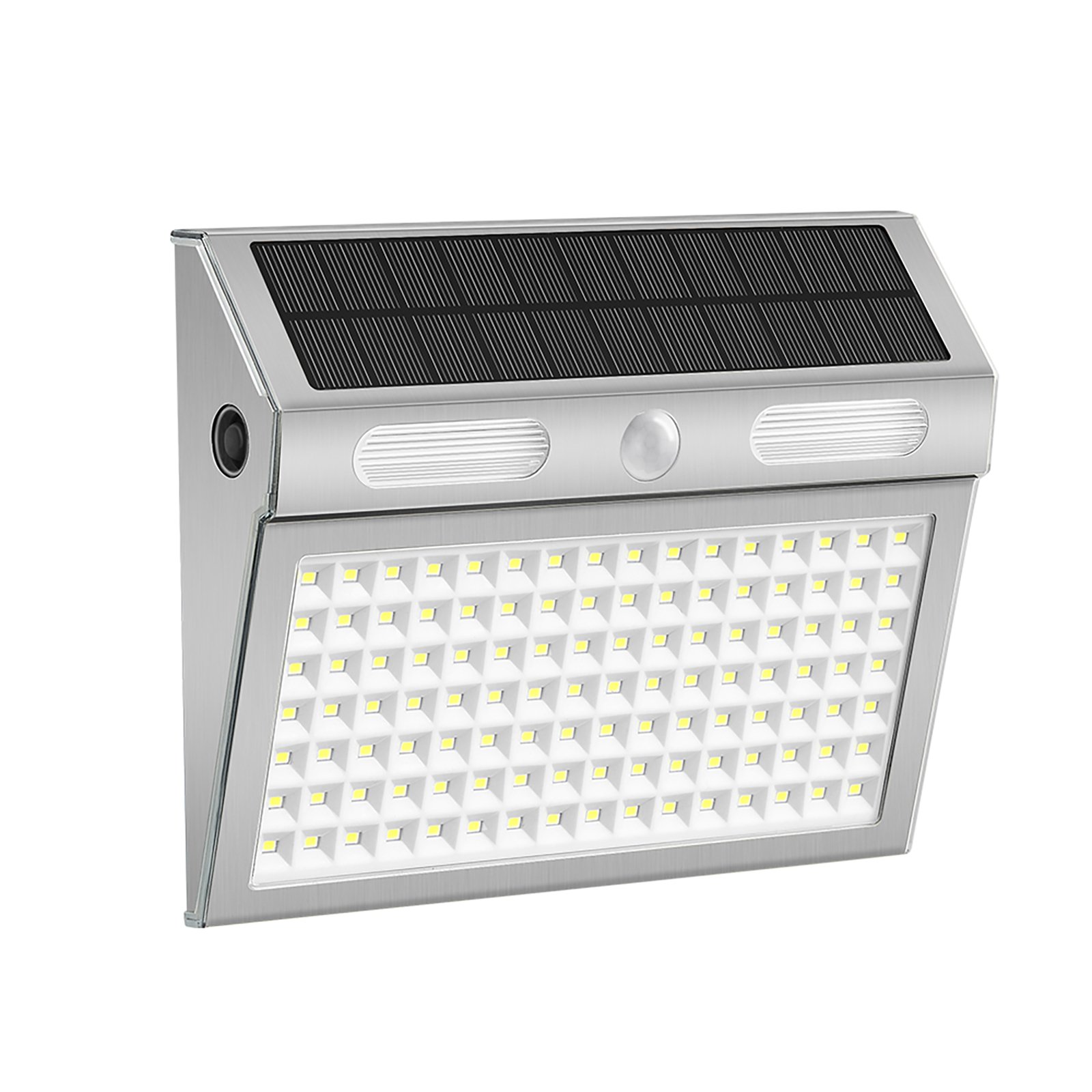
| Lalogo model | Battery | Charge time (direct sun) | Run time |
|---|---|---|---|
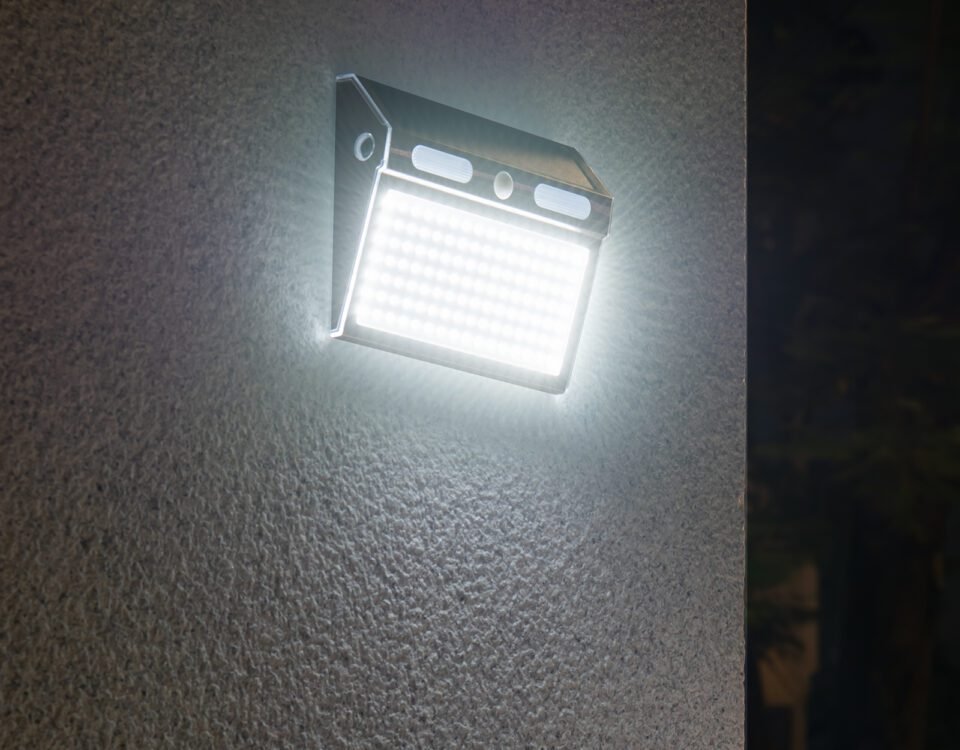
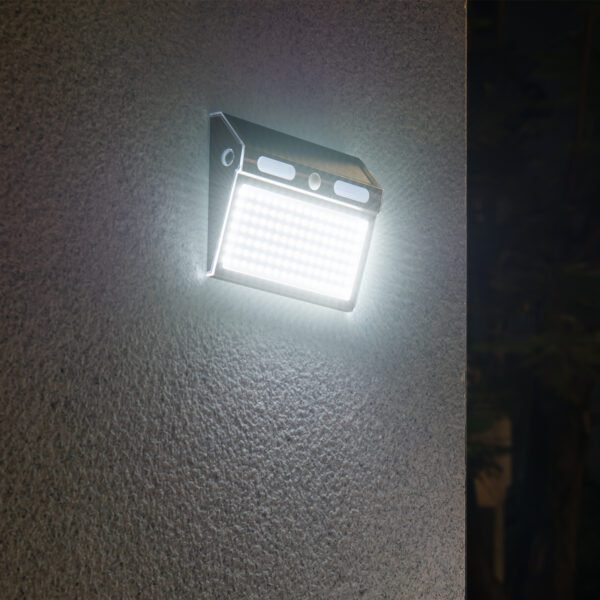
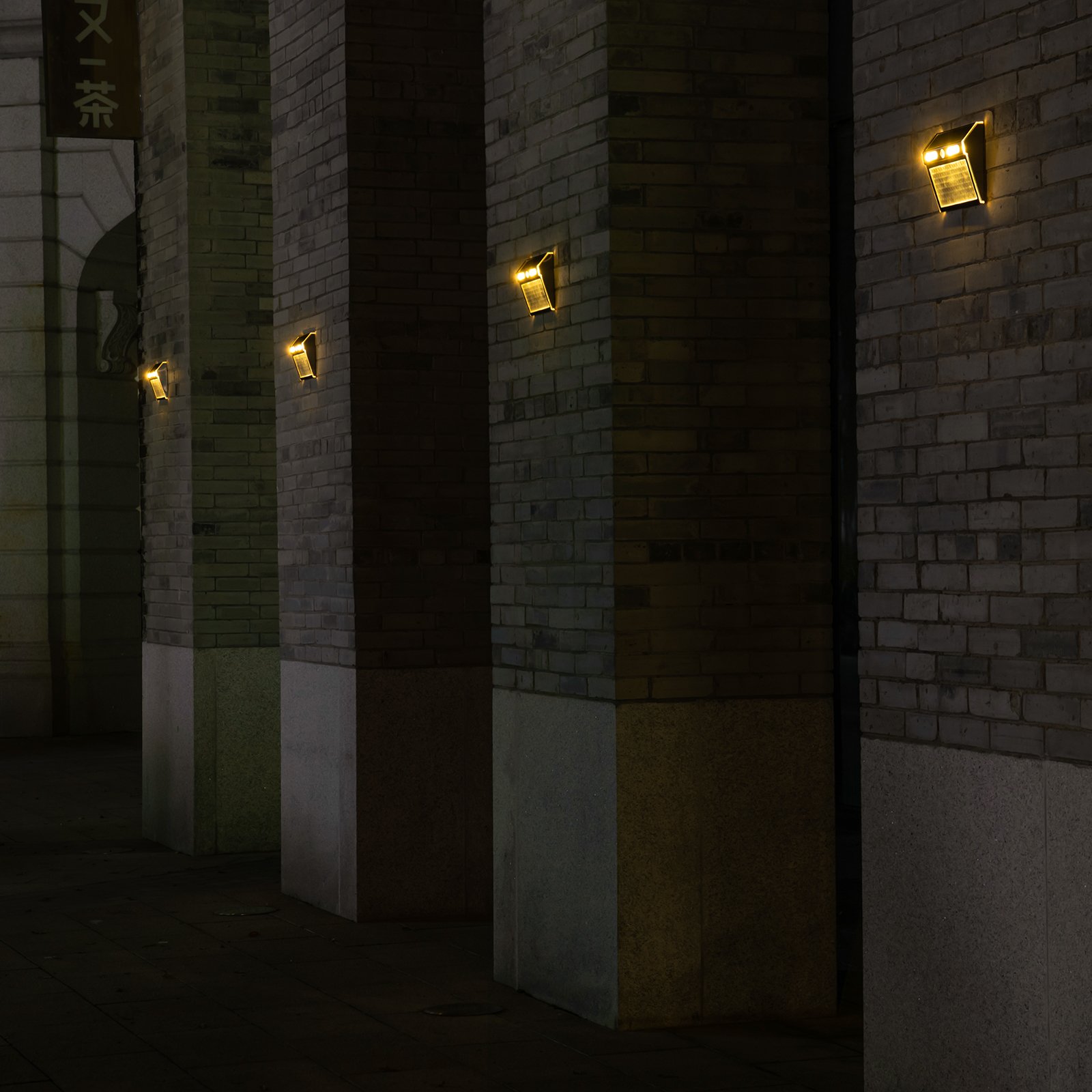
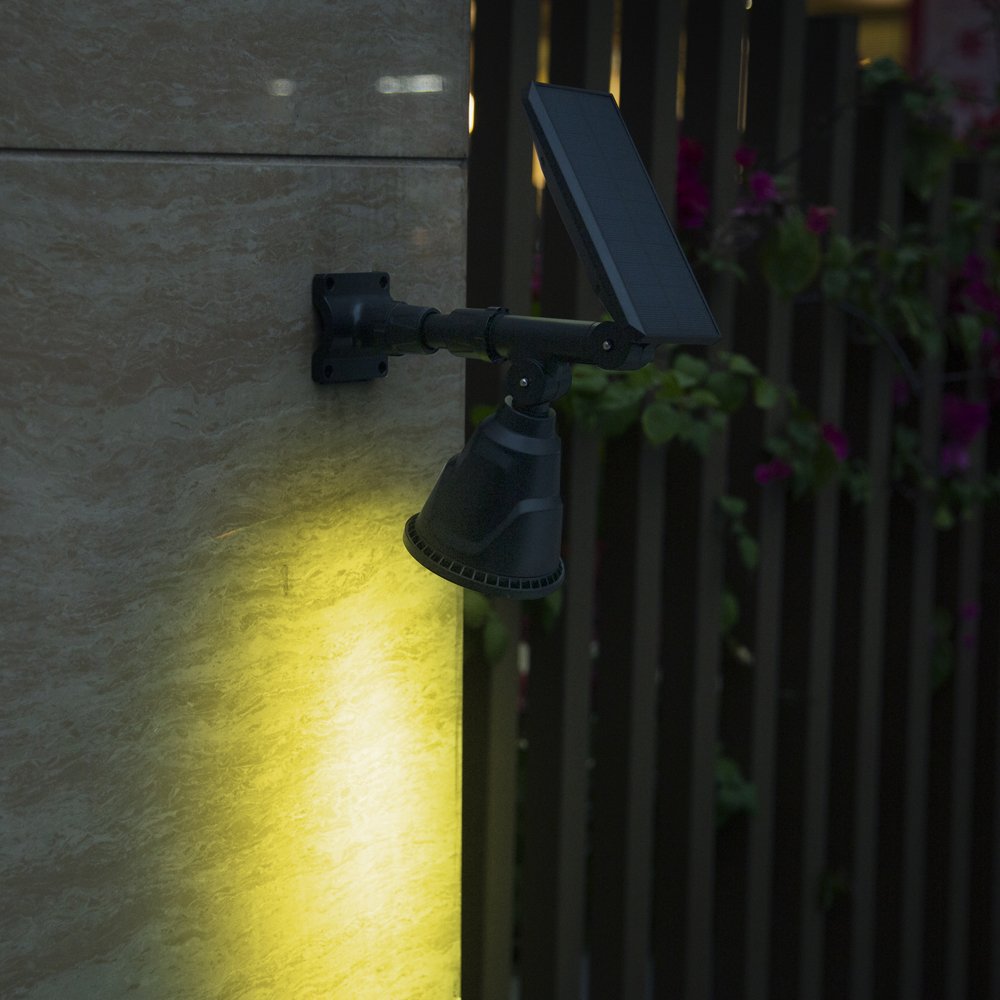
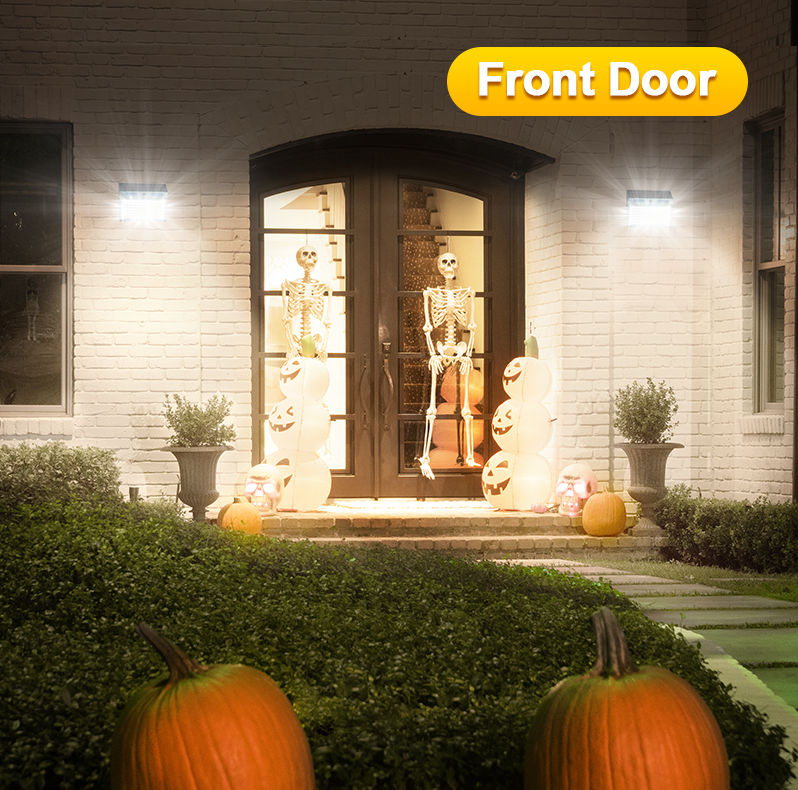
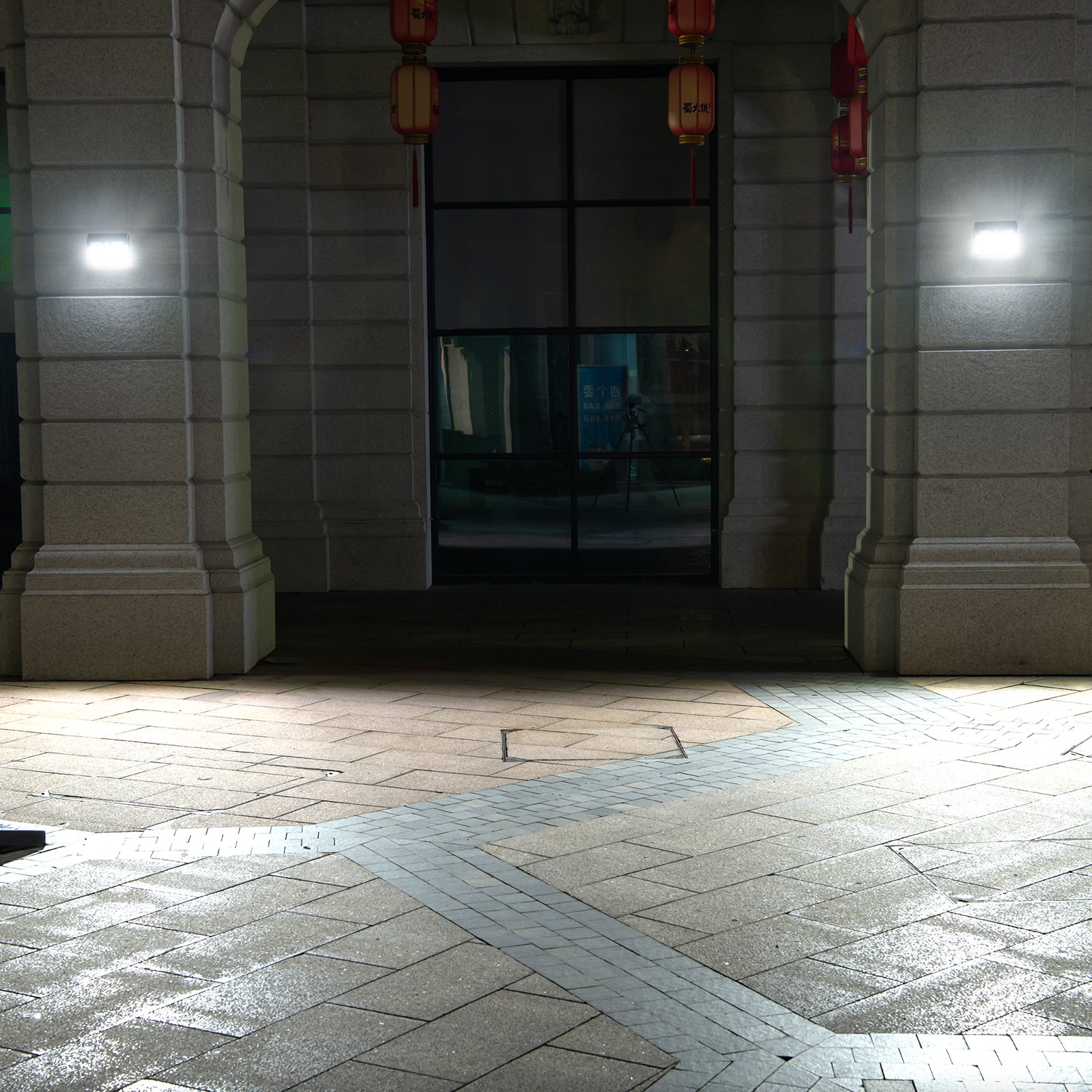
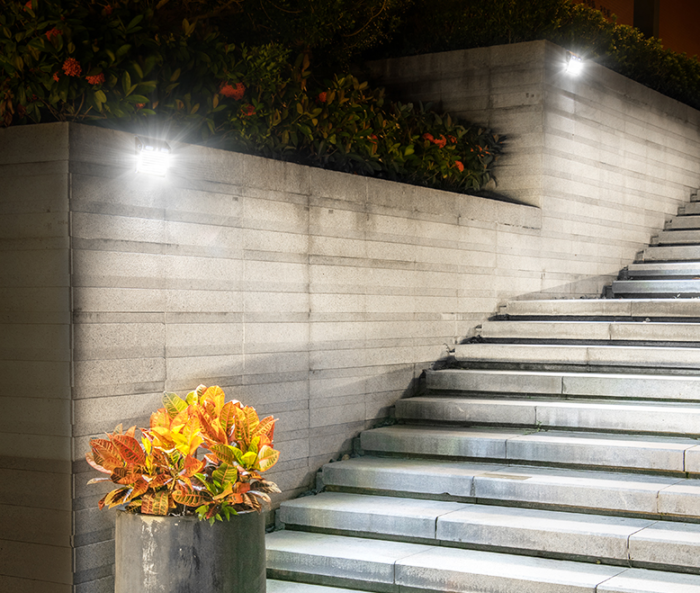
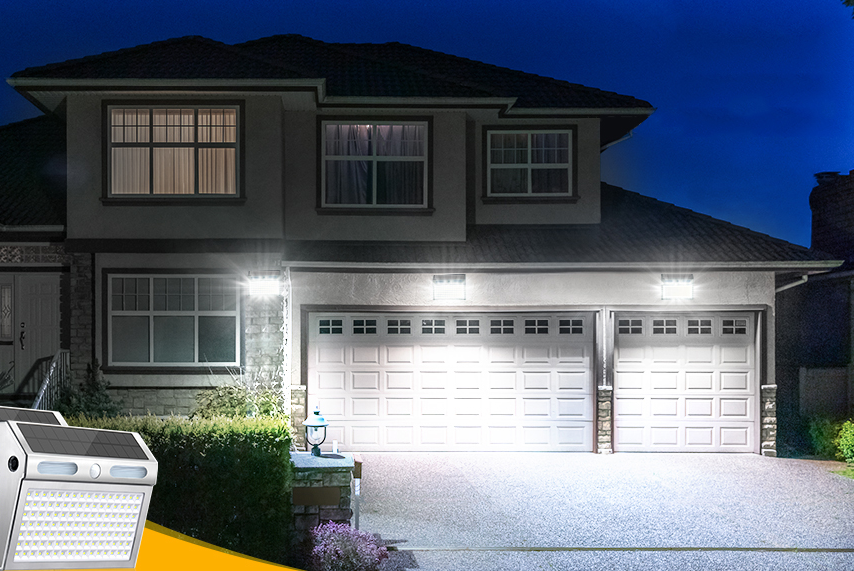
| Solar motion sensor wall light (112 LED) | 2200mAh Li-ion | ~6 hours | Up to 8 hours (longer in motion-sensor mode) |
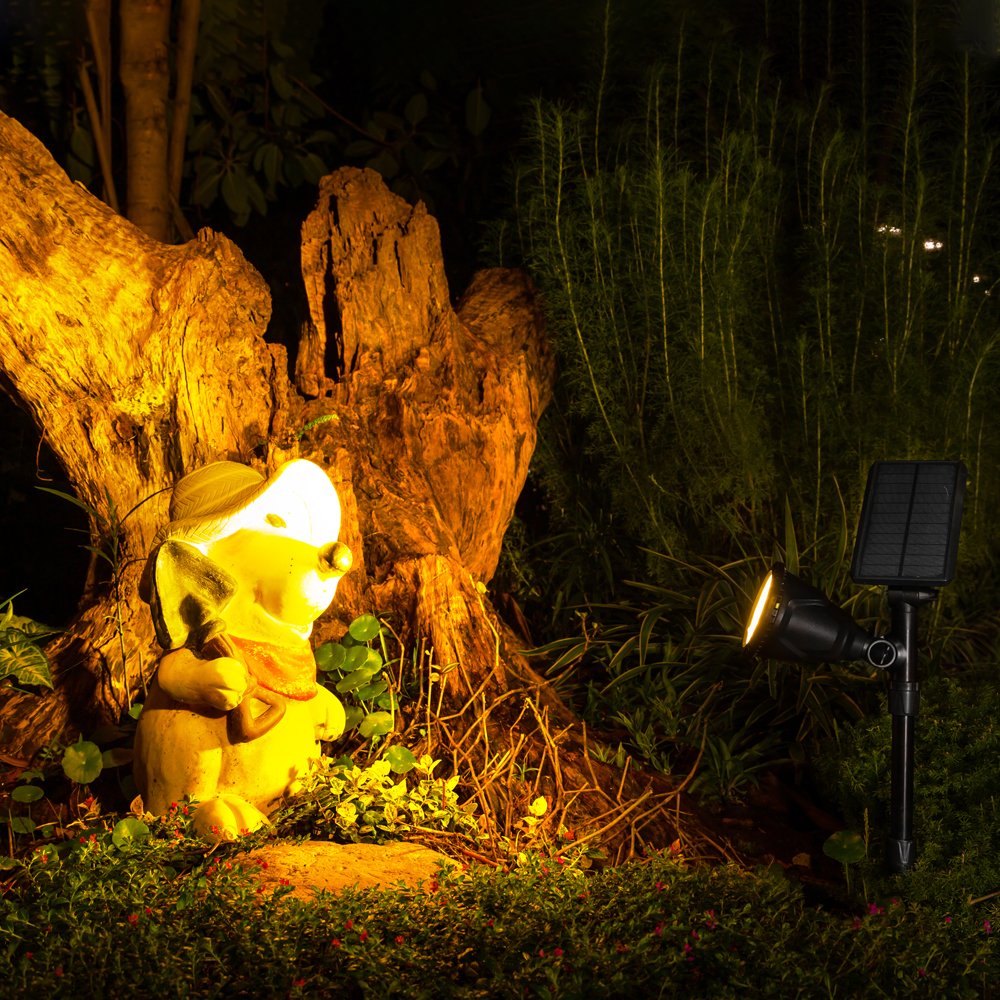
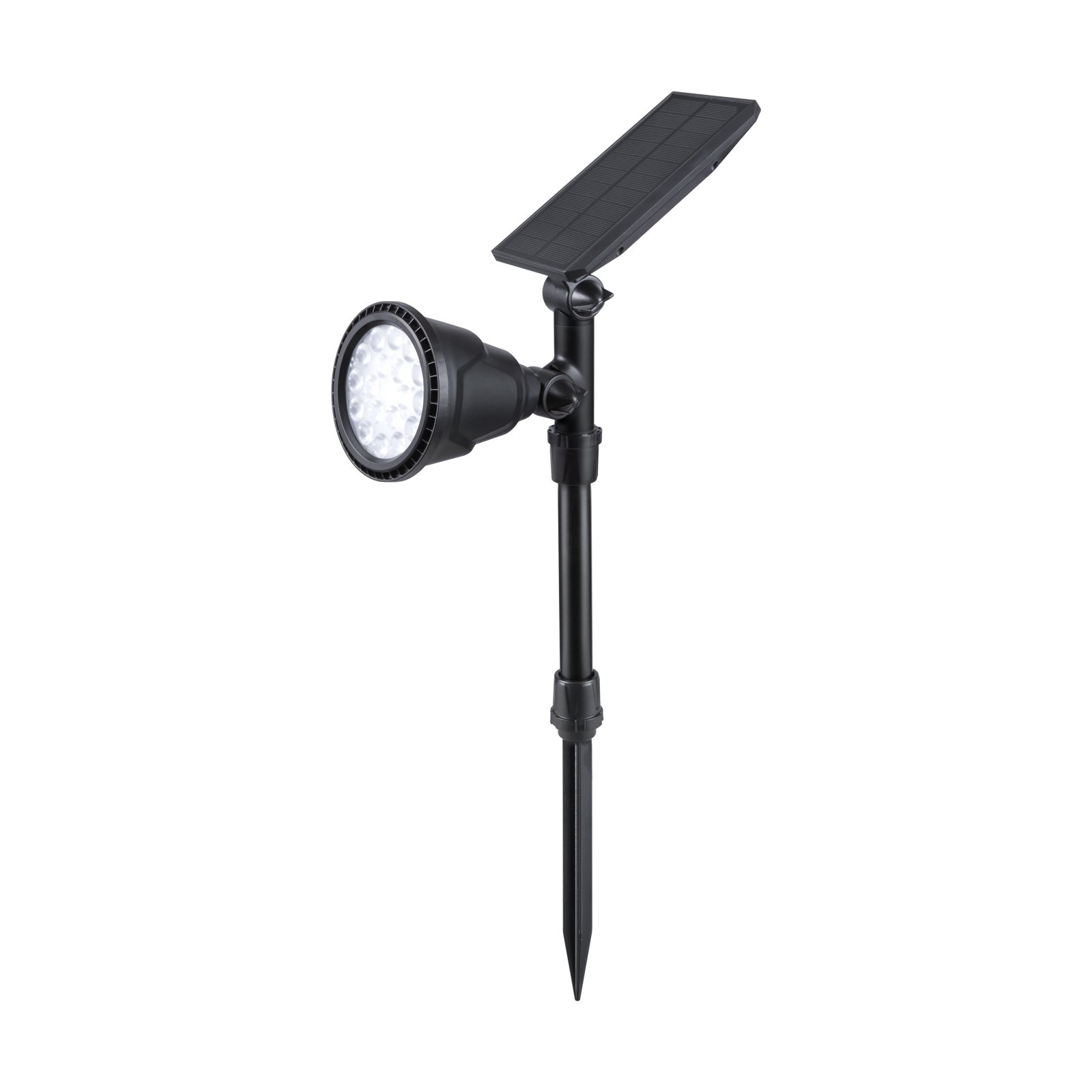
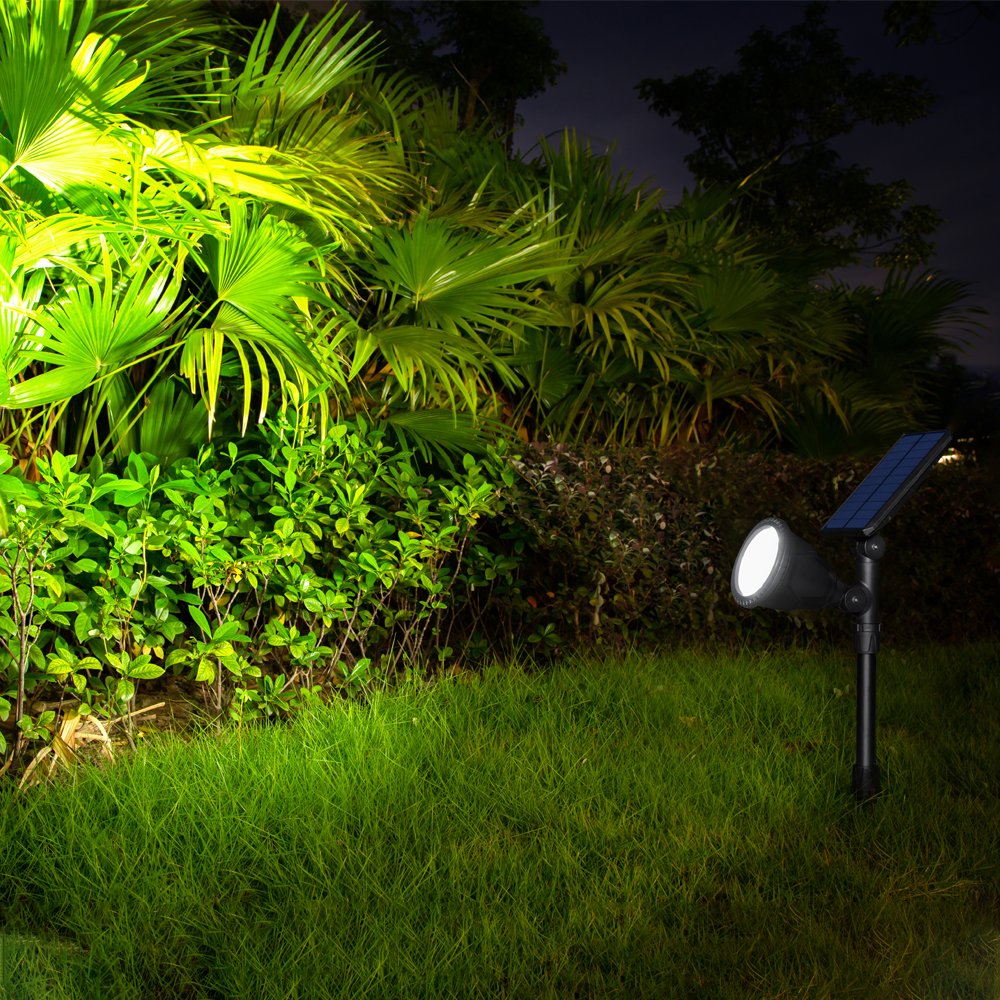
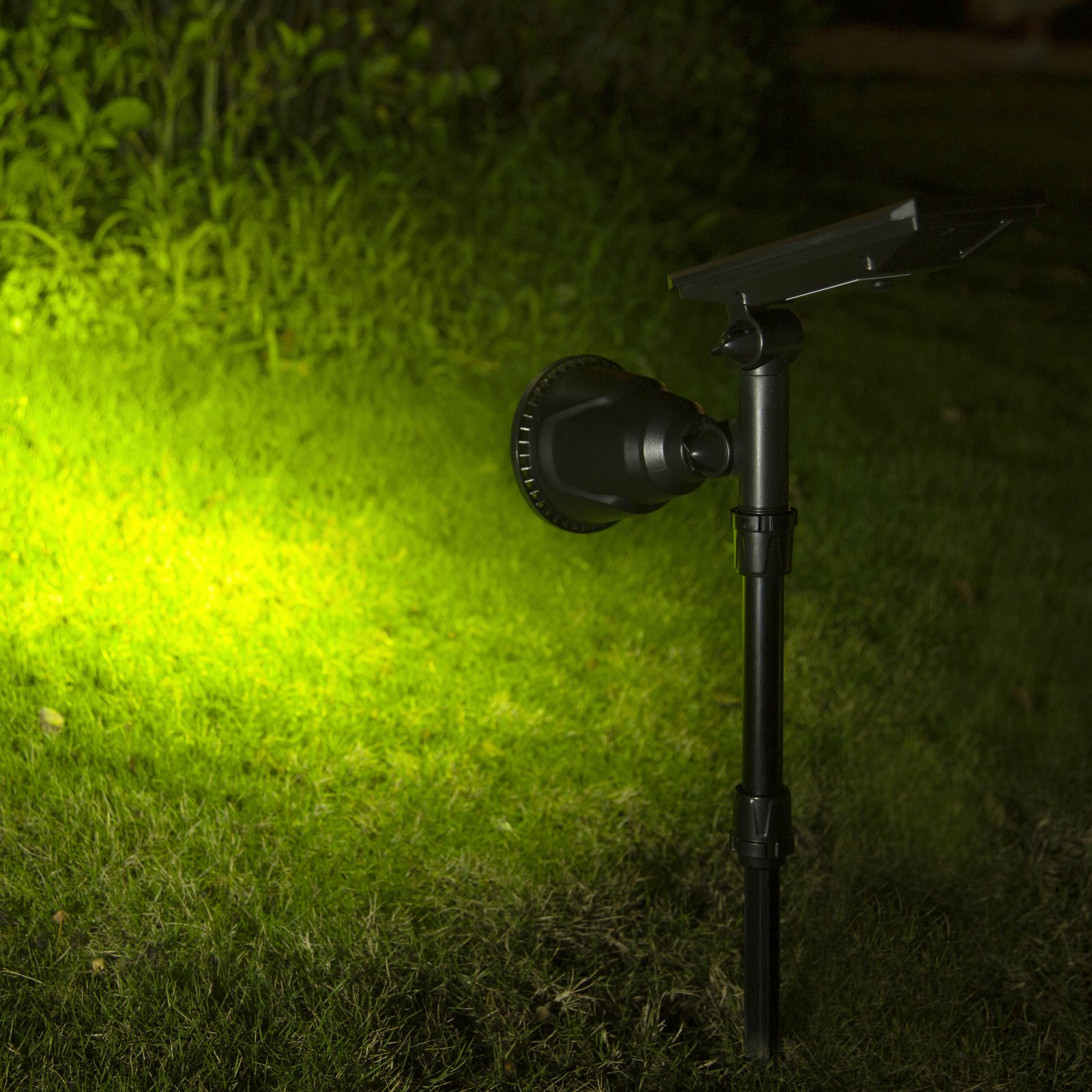
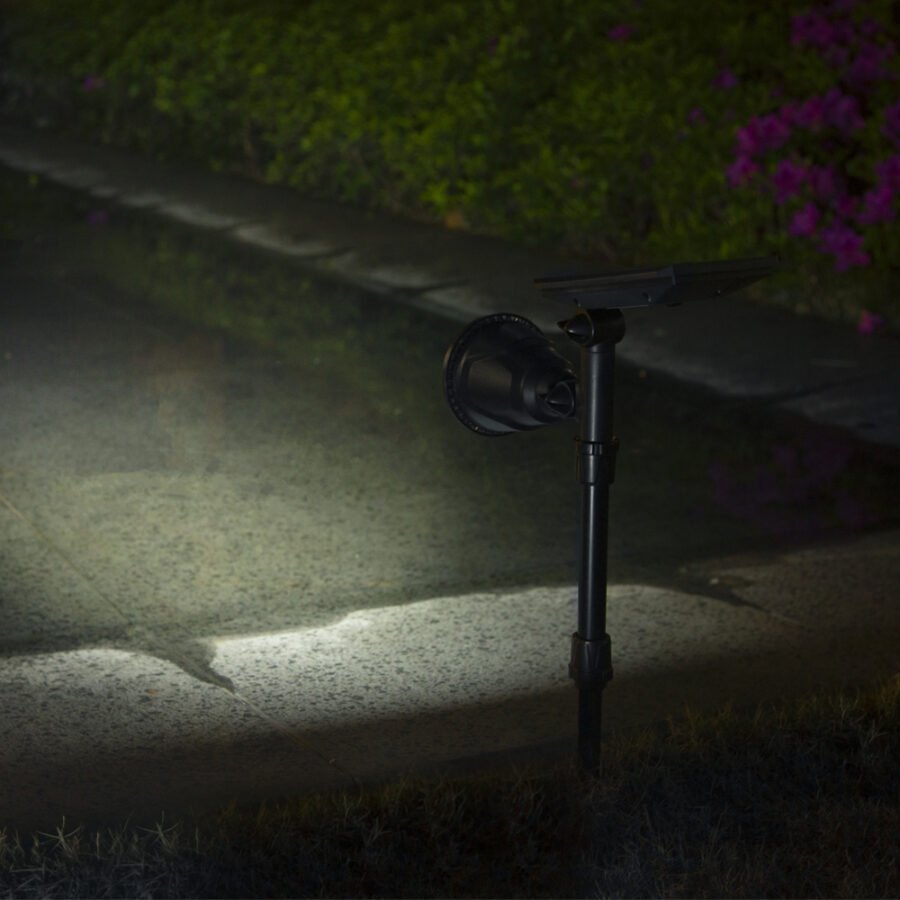
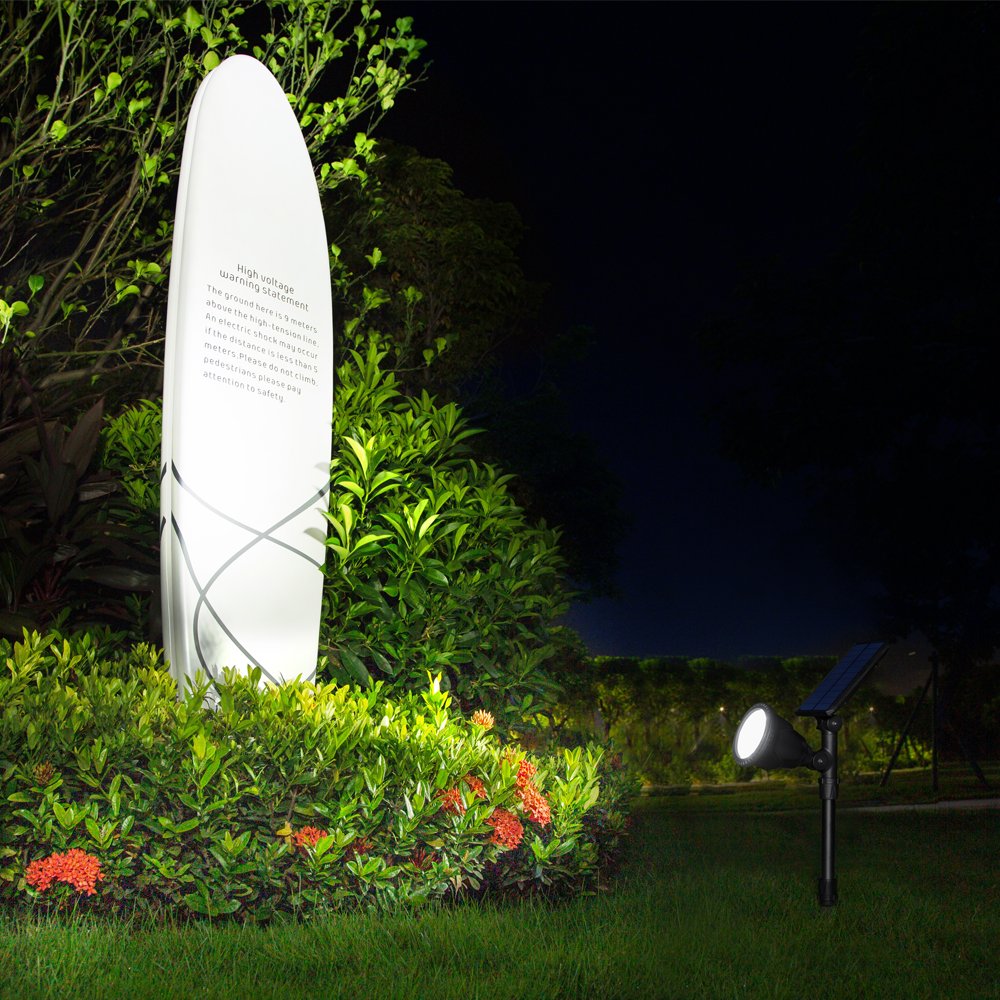
| Solar spotlight (18 LED, 300 lm) | 2200mAh Li-ion | ~6 hours | 4–6 h white / 8–10 h warm |
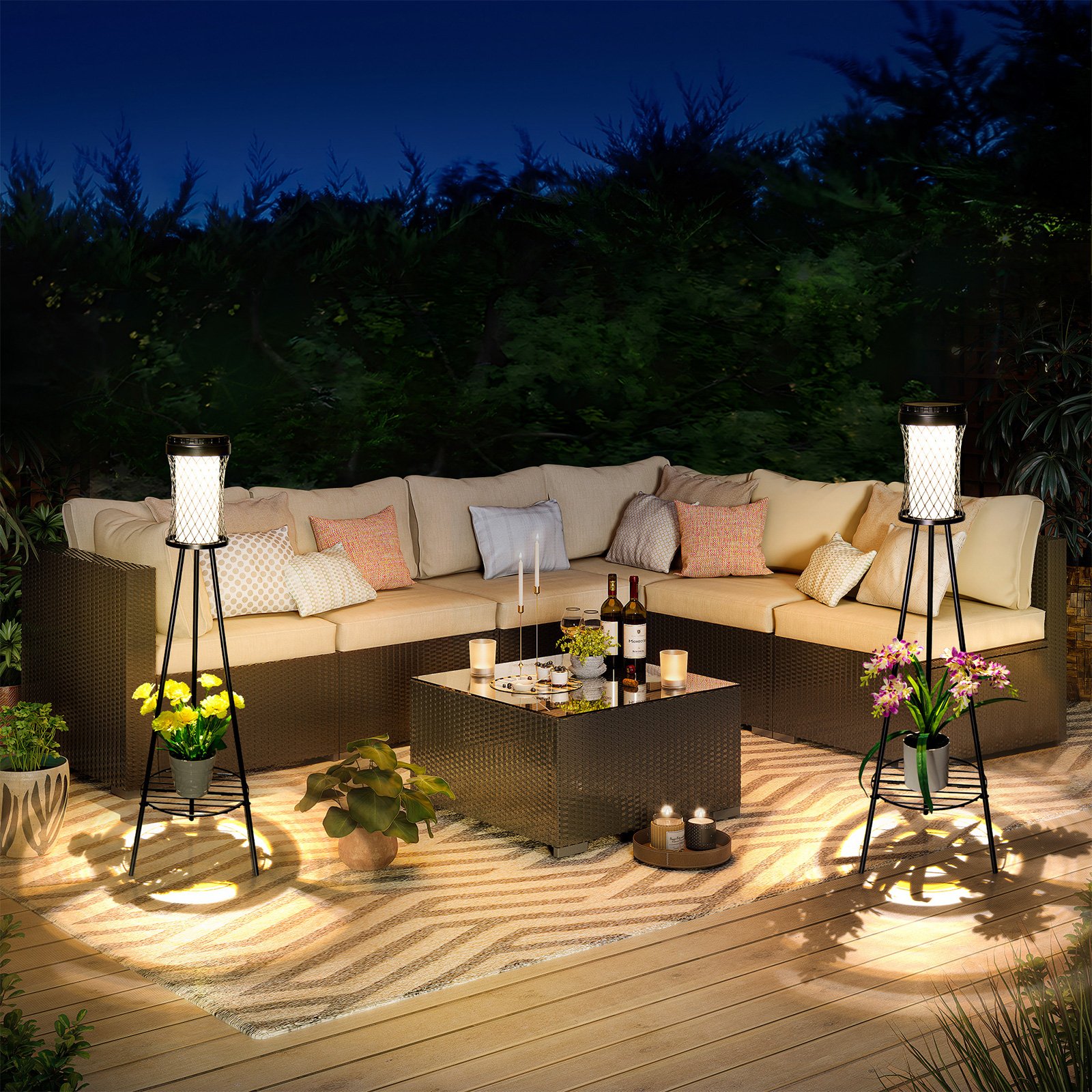
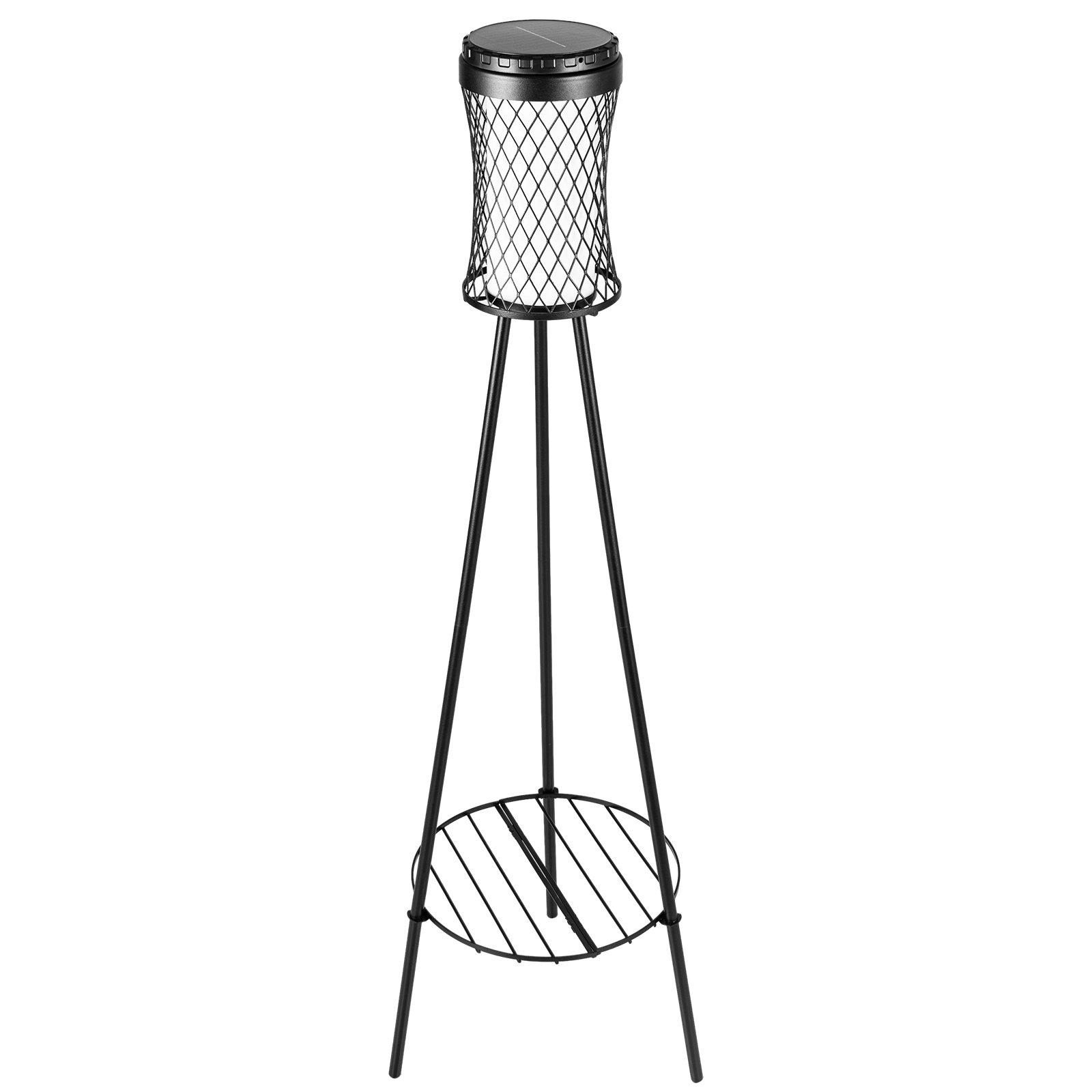
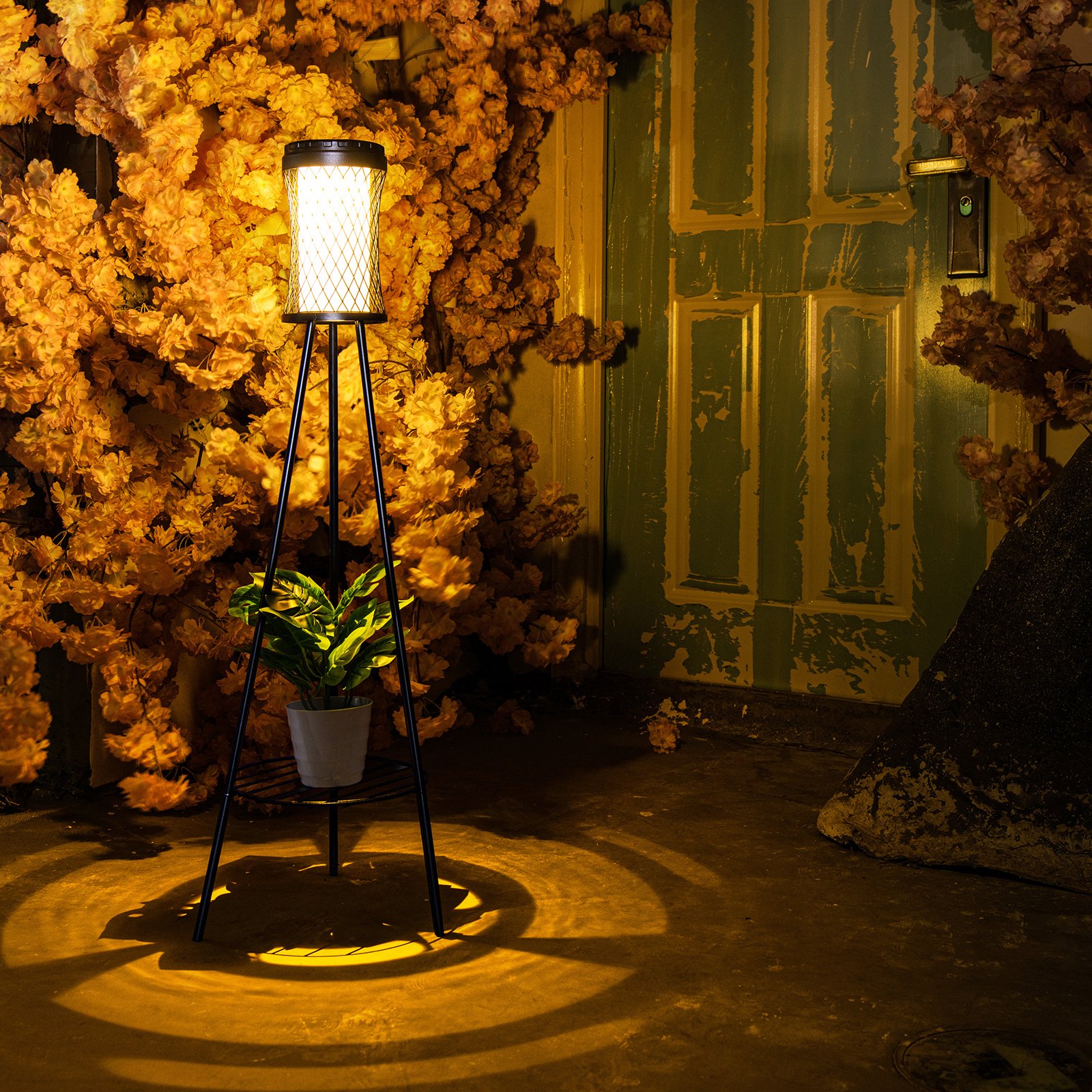
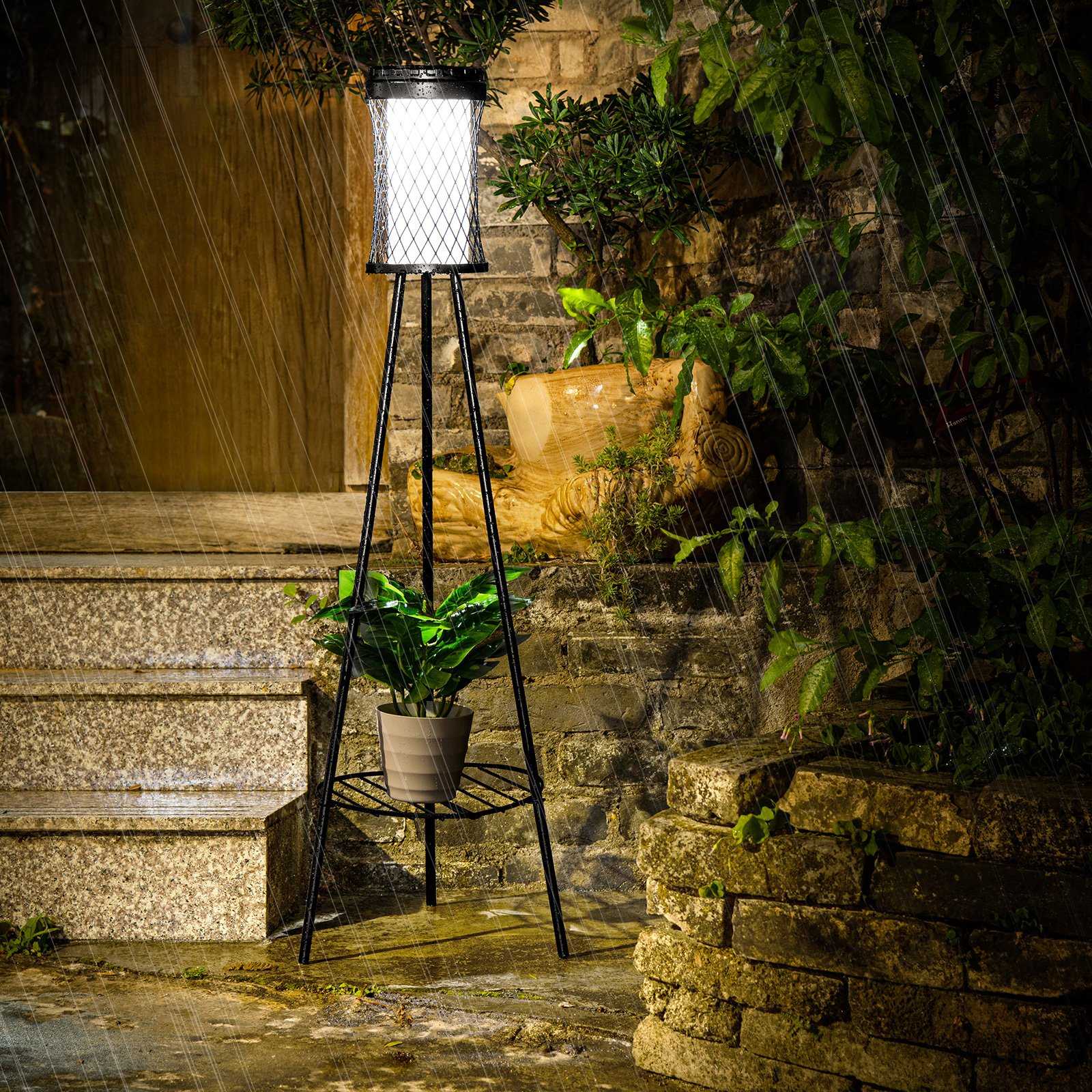
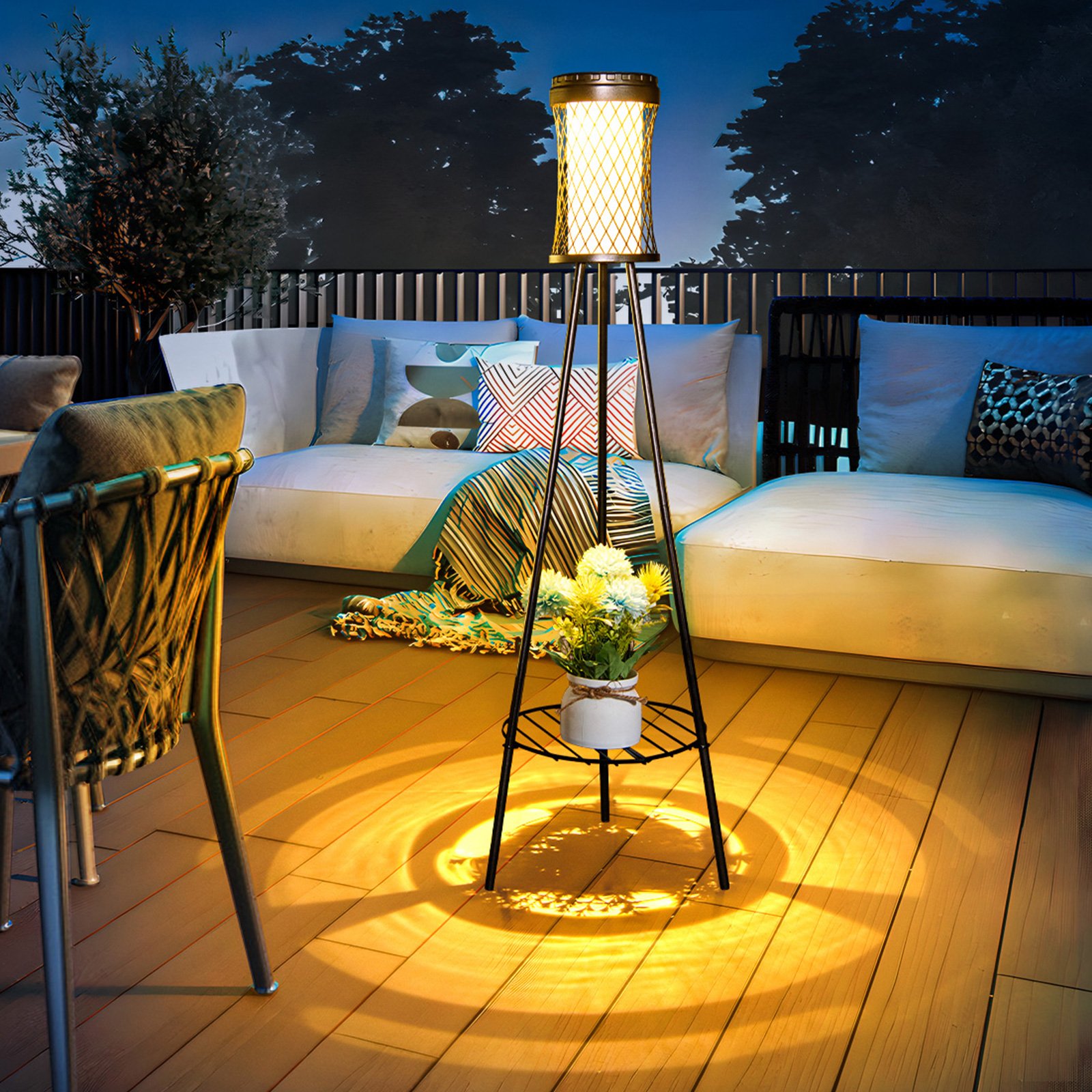
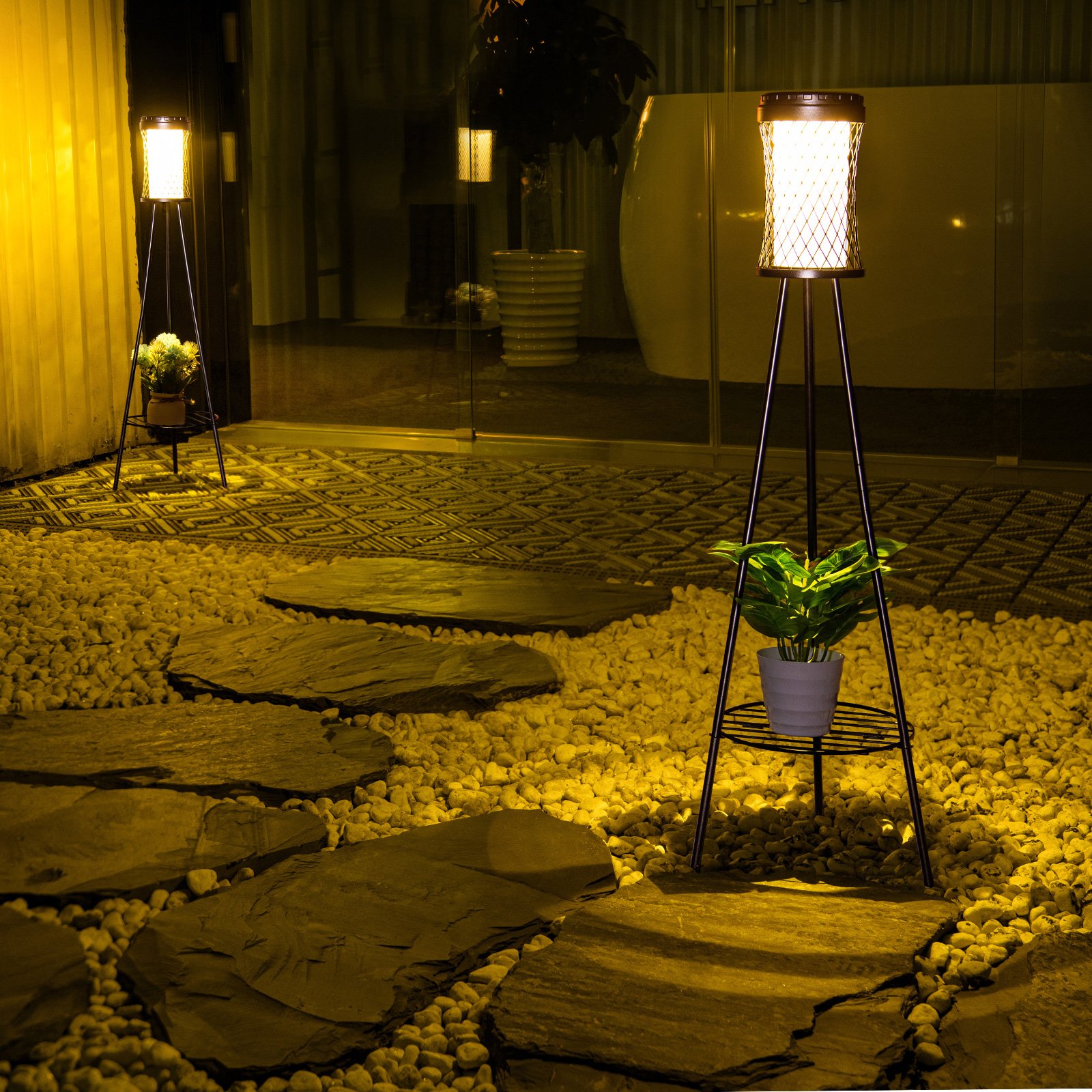
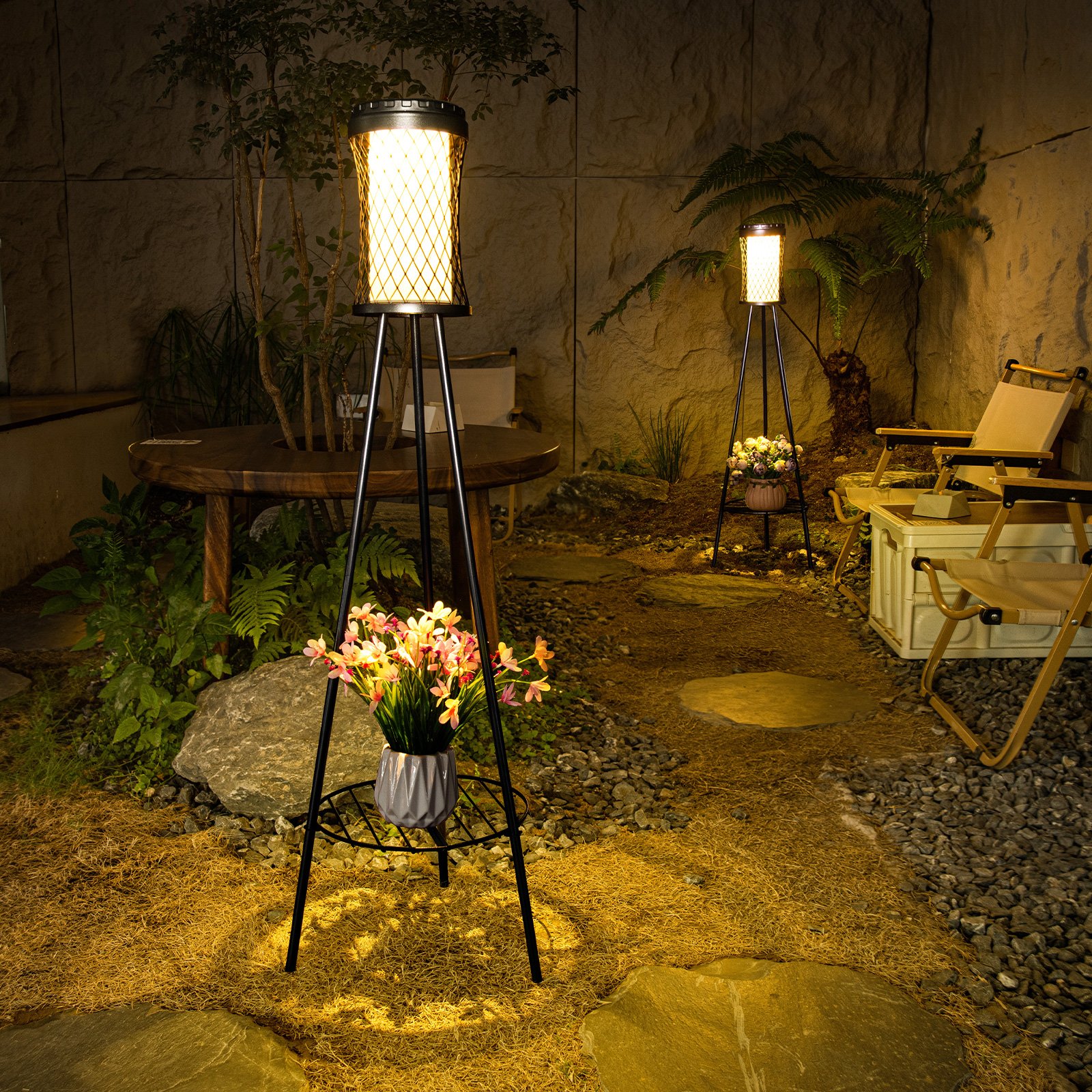
| Solar floor lamp with plant stand | 1200mAh Li-ion | ~6 hours | 8–12 hours |
Motion sensor lights last longest. They stay dim or off until someone approaches, so most of the battery is saved for the moments that matter.
Checklist: choosing solar lights for UAE conditions
- Lithium-ion battery (18650 or LiFePO4), not Ni-MH.
- IP65 for exposed walls and anything hit by sprinklers; at least IP44–IP55 elsewhere. See our IP rating guide.
- A monocrystalline solar panel that can be angled towards the sun.
- Stainless steel or UV-stable PC/ABS housing, so it will not rust or go brittle in the sun.
- Warm white (about 3000K) for plants and seating areas, and white (about 6000K) for security.
Frequently asked questions
Do solar lights work in winter in the UAE?
Yes. Winter days are shorter but still sunny, so solar lights charge fully on most days. Winter is also the best season to use your garden.
Do I need to bring solar lights inside in summer?
No. Quality lights with lithium batteries and sealed housings are designed to stay outdoors all year. Just keep the panels clean.
How long do the batteries last?
Lithium-ion cells in a good solar light typically last several years before capacity drops noticeably. Lalogo lights come with a 3-year warranty.
Browse Lalogo solar lights, with free delivery across all seven emirates.